How does it work?
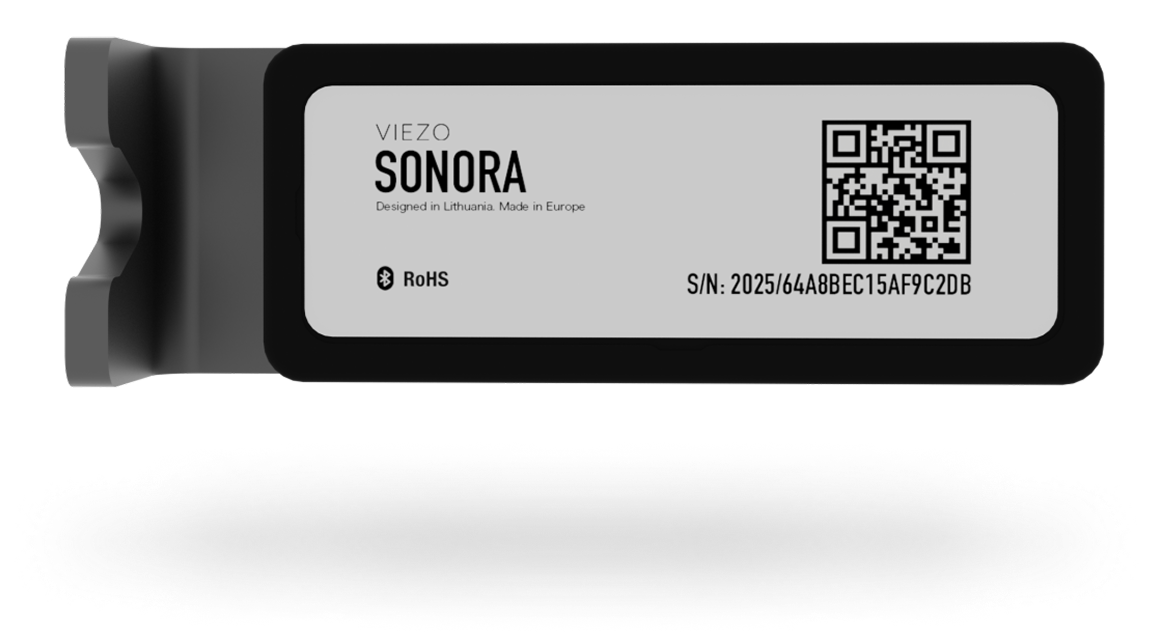
1. Sensors regularly collect vibration data and transmit it to a nearby Sonora gateway.
2. Sonora cloud analytics automatically analyse the collected data to identify changes in machine condition and developing faults.
3. Results are displayed in the Sonora dashboard, while alerts notify maintenance teams when attention is required.
What is Sonora?

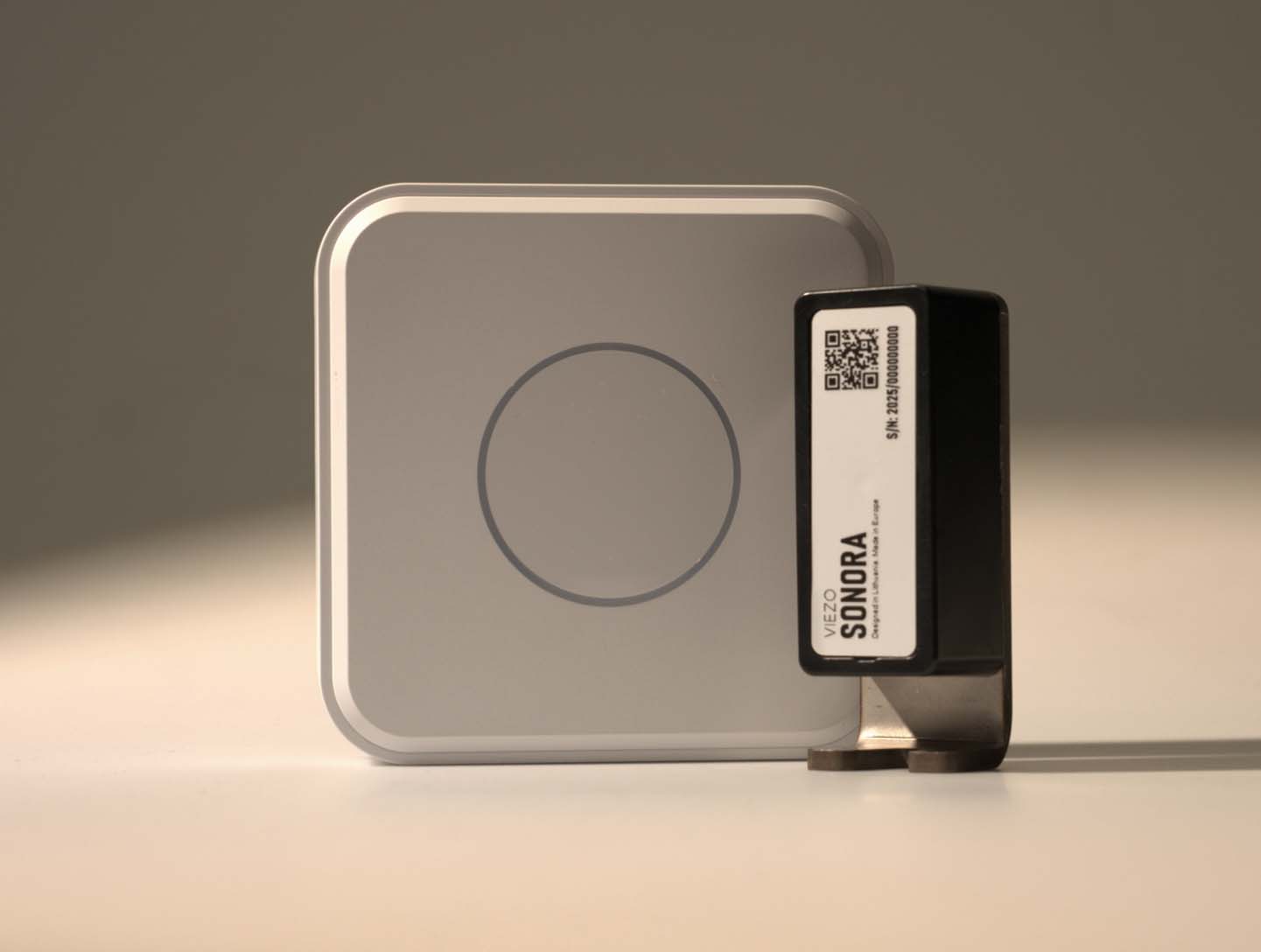
SONORA
QUICK AND EASY STARTUP
No contextual information about the equipment is required. The sensor can be installed in less than a minute.
DOWNTIME - 0 min
Plan your repair work at a convenient time when operations are not running. Reduce downtime due to mechanical joint failures to zero.
INFORMATION ABOUT FAULTS, NOT SHOCKS
The system informs you about real impending faults, not vibration shocks caused by random impacts around the equipment.
INSTANT ROI
Thanks to favourable pricing, the return on investment can be immediate, starting from the very first month of system use.
Need more information?
Contact UsData analysis
The system uses advanced algorithms to detect consistent patterns while filtering out random vibration spikes, ensuring only genuine faults are reported. It operates autonomously without requiring equipment context or calibration, enabling immediate fault detection and timely maintenance decisions.

Notifications and alerts

MONITORED EQUIPMENT
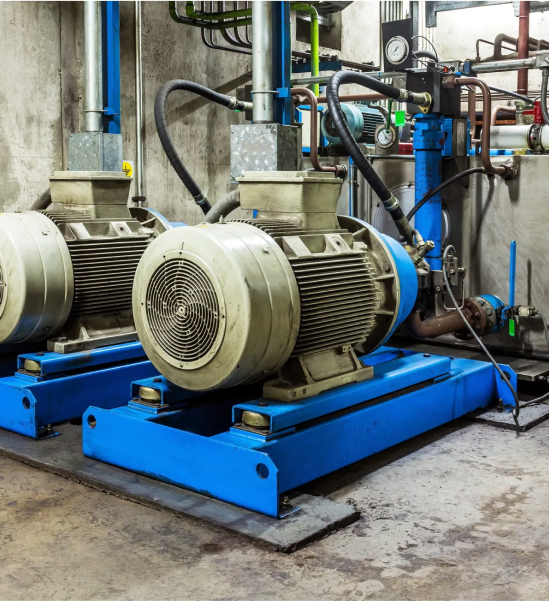
Motors
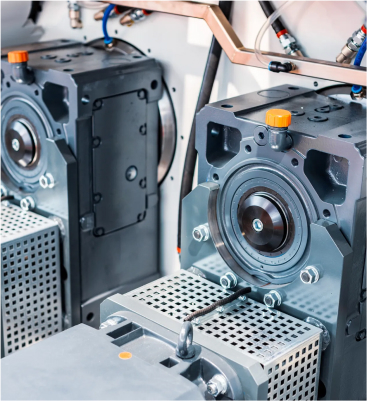
Gearboxes
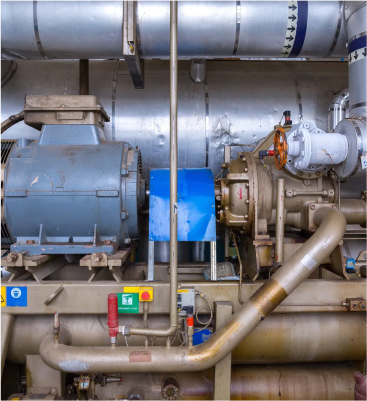
Compressors

Fans
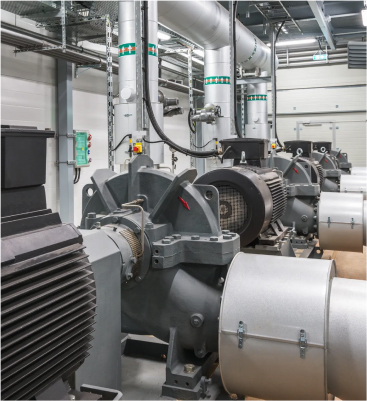
Pumps
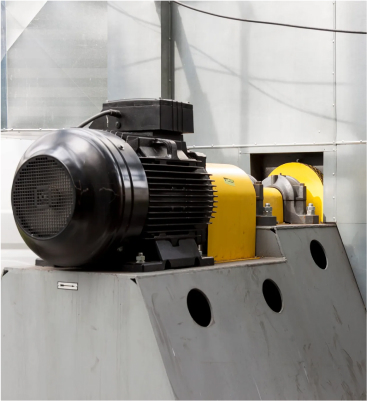
Bearings
Asset overview
Access a summary of asset health statuses and group details for a quick assessment of the overall fleet condition.

Asset view
Explore detailed information about a specific asset, including health status and installation data for in-depth monitoring.

Raw Data and Features
Presentation of measurement data and features, allowing easy analysis of asset performance trends.

Defects Catalogue
Concise overview of identified defects, including notification and verification details, to monitor asset health effectively.

Need for more information
Contact Usdevice
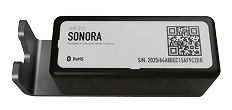
Sensor
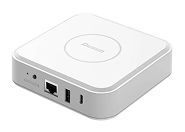
gateway
Frequently asked questions
How long does installation take, and does it need IT?
Installing a Sonora sensor takes about 1 minute: it is mounted with glue and a magnet, and no IT support is needed. Connecting the gateway may need help from IT, depending on the factory’s network.
Which machines can Sonora monitor?
Sonora monitors rotating industrial machinery running between 100 and 15,000 RPM, including motors, pumps, compressors, fans, gearboxes, spindles and conveyors.
Machines outside this range, or with unsuitable mounting conditions, are assessed individually.
How many sensors does a machine need?
Usually 1–2 sensors per machine are enough, typically mounted near the front and rear bearings. The exact number depends on the machine’s design and which components need monitoring.
Who reviews the data and the alerts?
Sonora uses a semi-automated approach. Algorithms analyse the raw vibration data automatically, Viezo’s analytics team reviews potential anomalies, and only validated defects are shown in the Sonora dashboard, together with maintenance recommendations.
Which faults can Sonora detect?
Sonora identifies vibration patterns associated with common mechanical faults:
- bearing wear and developing bearing defects
- shaft and coupling misalignment
- mechanical looseness
- imbalance of rotating components
- gearbox and gear defects
- belt and pulley problems
- other abnormal vibration that points to a developing mechanical problem
What can be detected depends on the machine, sensor placement, operating conditions and the available vibration data.
How long does the sensor battery last?
The sensor is battery powered, with a lifetime of about 5 years. It measures vibration and temperature every hour and sends the data over Bluetooth to a gateway, which is mains powered (220 V) and connects over Bluetooth/4G.
CASE STUDIES


Need more information?
Contact usThey trust us